Description
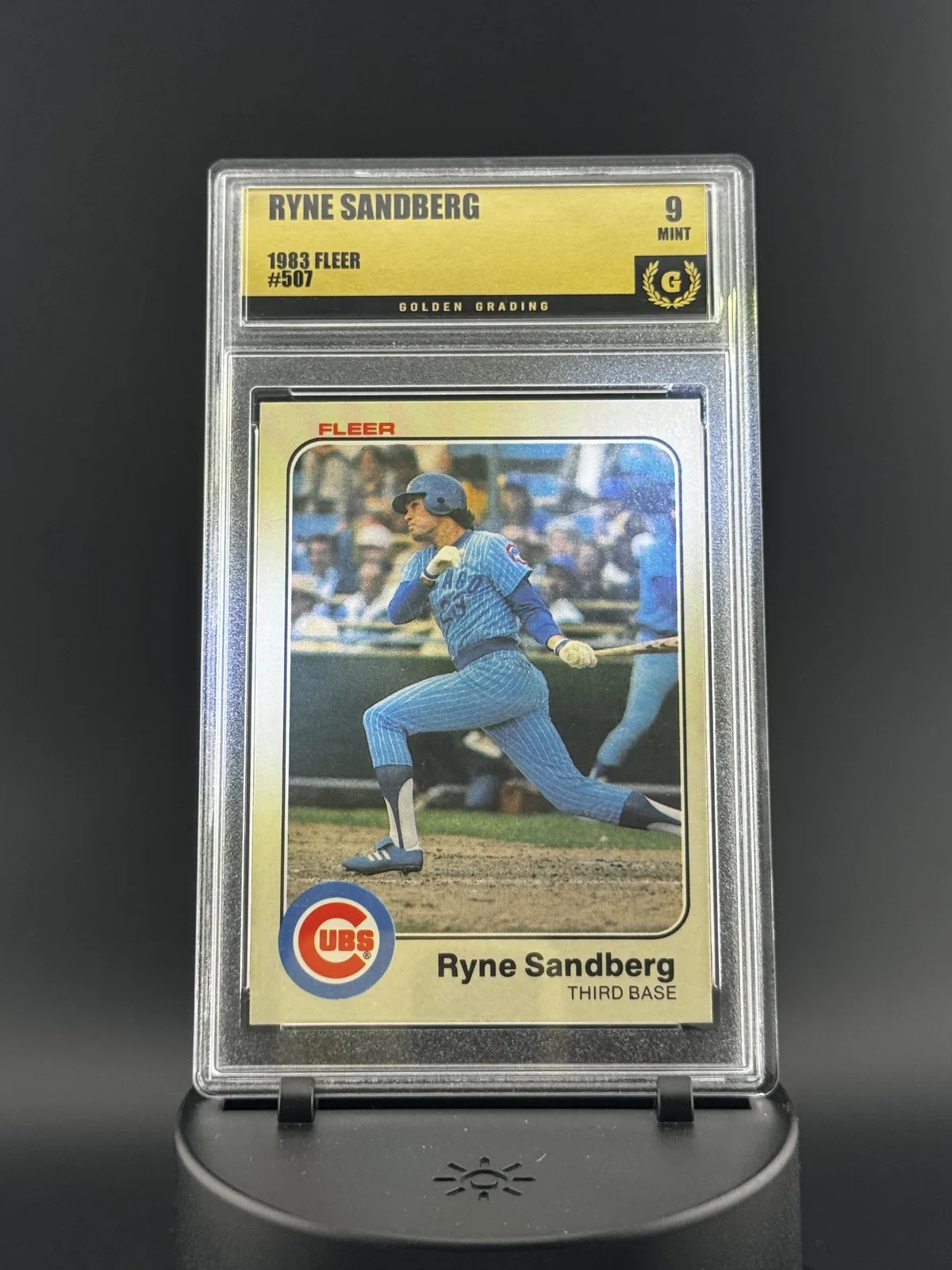
Ryne Sandberg's road to Wrigley Field started almost by accident. Philadelphia took him in the twentieth round of the 1978 draft, and he arrived in the majors as a September call-up in 1981, playing shortstop behind a young Phillies infield that had no room for him long-term. That offseason, with Mike Schmidt entrenched at third, Philadelphia traded Sandberg and Larry Bowa to the Cubs for Iván DeJesús — a deal completed only because Cubs GM Dallas Green, who had managed Sandberg in Philadelphia, insisted on including him. In Chicago, Sandberg settled in at third base for his rookie year of 1982, hitting .271 with 33 doubles and 32 stolen bases, good for sixth in the NL Rookie of the Year vote. After the Phillies traded him to the Chicago Cubs before the 1982 season, future Hall-of-Fame infielder Ryne Sandberg moved from shortstop to third base, and with one month left in the season, manager Lee Elia moved him again, this time to second base. The full switch came in 1983, a season the Cubs finished 71-91 and best remembered for a profane Lee Elia tirade at Wrigley Field fans — not for anything Sandberg did at the plate, where he hit a modest .261. But in the field, in his first full year at a brand-new position, he led all NL second basemen in double plays and began a run of nine consecutive Gold Gloves that would define his career defensively. The breakthrough came the next year. Before the 1984 season, Cubs manager Jim Frey challenged his athletic ex-quarterback in spring training, asking how he wasn't more of a power hitter, and Sandberg began pulling inside pitches for home runs and transformed his game. On June 23, 1984, in a nationally televised game against St. Louis, Sandberg hit a game-tying home run in the bottom of the ninth against future Hall of Fame closer Bruce Sutter, then hit another home run in the bottom of the 10th, a two-run shot off Sutter, to force an 11th inning the Cubs went on to win. The performance turned him into a national name, and he closed the year batting .314 with a league-leading 19 triples, winning the NL MVP award and leading the Cubs to their first postseason appearance since 1945. The rest of the career built on that foundation without ever delivering a World Series — Sandberg spent virtually his entire sixteen years in a Cubs uniform, reaching the playoffs only twice. He kept adding to his defensive legend, once going 123 consecutive games without an error to break Joe Morgan's record, and in 1990 became the first second baseman since Rogers Hornsby to lead the league in home runs, hitting 40. He retired with 2,386 hits, 282 home runs, 344 stolen bases, a .285 average, ten All-Star selections, nine Gold Gloves and seven Silver Sluggers, and was elected to the Hall of Fame in 2005 on his third ballot with 76.2% of the vote. This card is Sandberg's true rookie issue, one of three future Hall of Famers — alongside Wade Boggs and Tony Gwynn — who made their Fleer debut in the 1983 set, a trio that has kept an otherwise plain, beige-bordered design relevant to collectors for four decades. It pictures him in the Cubs' pinstriped uniform at bat, from the very season, 1983, in which he shifted to second base and won the first of his nine straight Gold Gloves — the year before the power and the MVP arrived.
1983 Fleer Ryne Sandberg #507 Rookie - Golden Grading 9 MINT
 9MINT
- S Sellability 85%
- W Wow Factor 45%
- A Age 88%
- P Popularity 42%
- P Population Count Very High* 9.5K
* Graded copies only (PSA, BGS, SGC, CGC and others) — ungraded copies are not counted.
How This Card Scores
This card scores 53% overall — the average of its five SWAPP™ ratings, each measured as set out below. A 1983 rookie card of Hall of Famer Ryne Sandberg, part of a legendary trio with Boggs and Gwynn, it moves briskly in the hobby despite a plain vintage design, moderate current fame, and a large, well-documented graded population.
- SellabilityHigh · 85%
- High sellability index. As one of the sport's most recognized Hall of Fame rookie cards, this Sandberg trades constantly across eBay and other marketplaces.
- Wow Factor45%
- Worked out from how the card looks: a 1980s-1990s card with a base design (no parallel or special finish), which starts at 45% on its design. No autograph or patch is needed for that score.
- Age88%
- Worked out from the card's age: released 1983-03, it has been out about 43 years. Each five years on the market adds to the score, from 40% at six months to 100% at fifty years. That puts it at 88%.
- Popularity42%
- Sandberg is a retired Hall of Famer who still draws steady hobby recognition but limited mainstream search buzz compared to active stars.
- Population CountVery High* · 9.5K · 3% Rarity
- About 9,500 graded copies (estimated) across the grading companies — very high population. PSA alone lists 7,815 graded copies of this card, and adding typical BGS/SGC/CGC volume for a famous rookie pushes the cross-grader estimate near 9,500.
Product Info
Why This Card Matters
Point a camera at the code to open this card on another device.
www.graded-only.com/p/1573You might also like
9MINT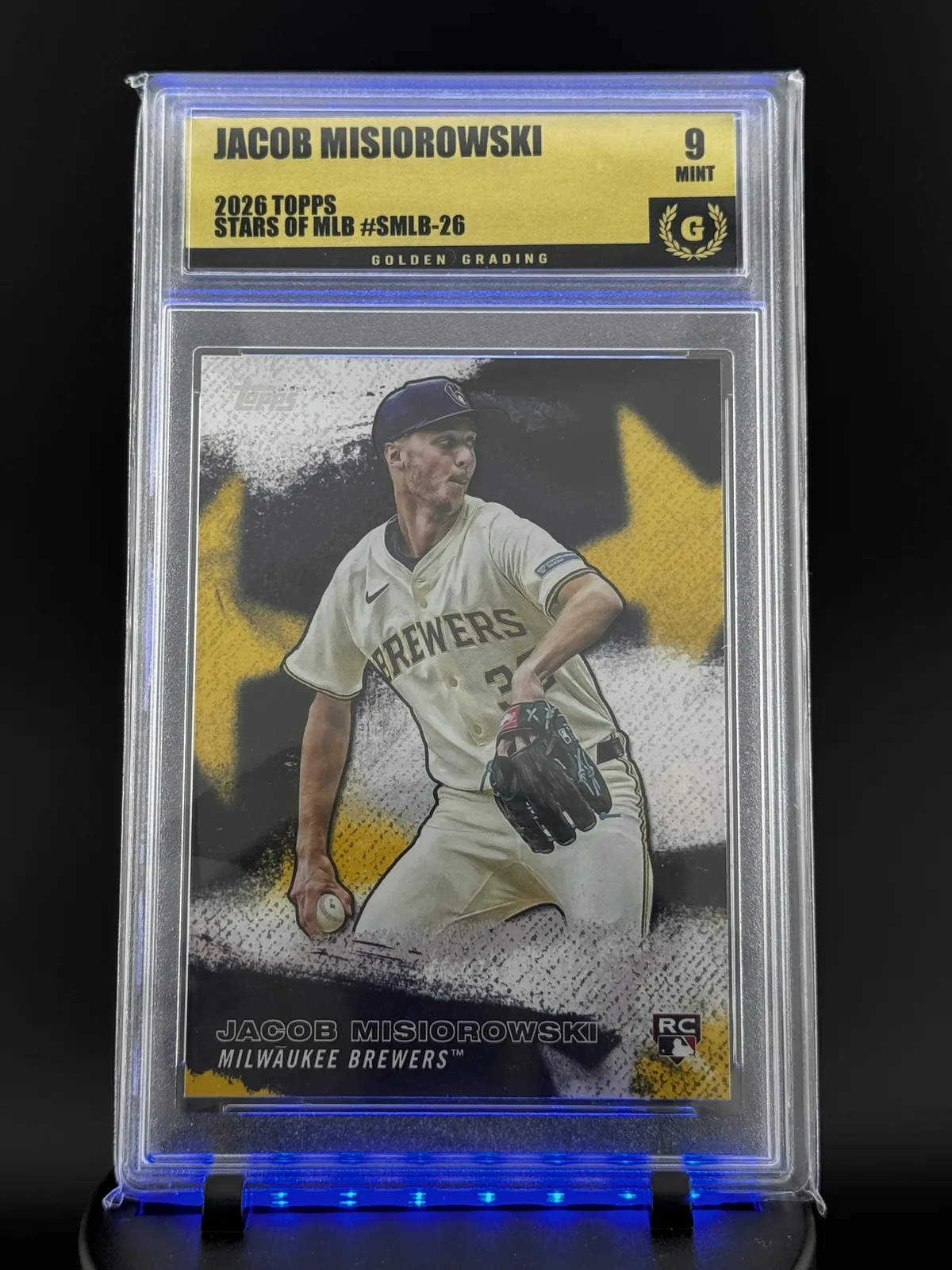 9MINT
- S Sellability 82%
- W Wow Factor 60%
- A Age 40%
- P Popularity 85%
- P Population Count Medium* 300
* Graded copies only (PSA, BGS, SGC, CGC and others) — ungraded copies are not counted.
9MINT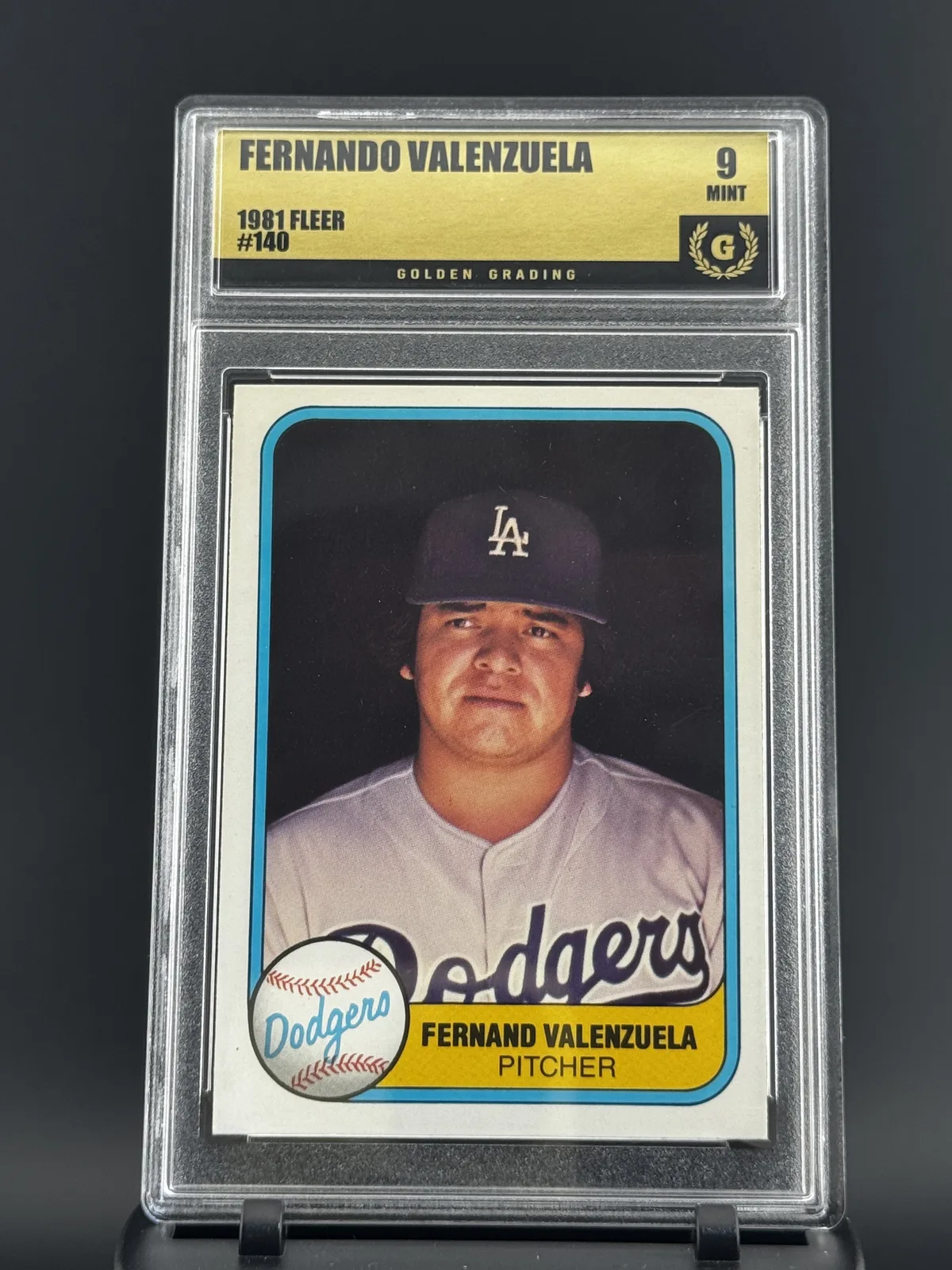 9MINT
- S Sellability 62%
- W Wow Factor 45%
- A Age 94%
- P Popularity 60%
- P Population Count Very High* 3.2K
* Graded copies only (PSA, BGS, SGC, CGC and others) — ungraded copies are not counted.
8NM-MT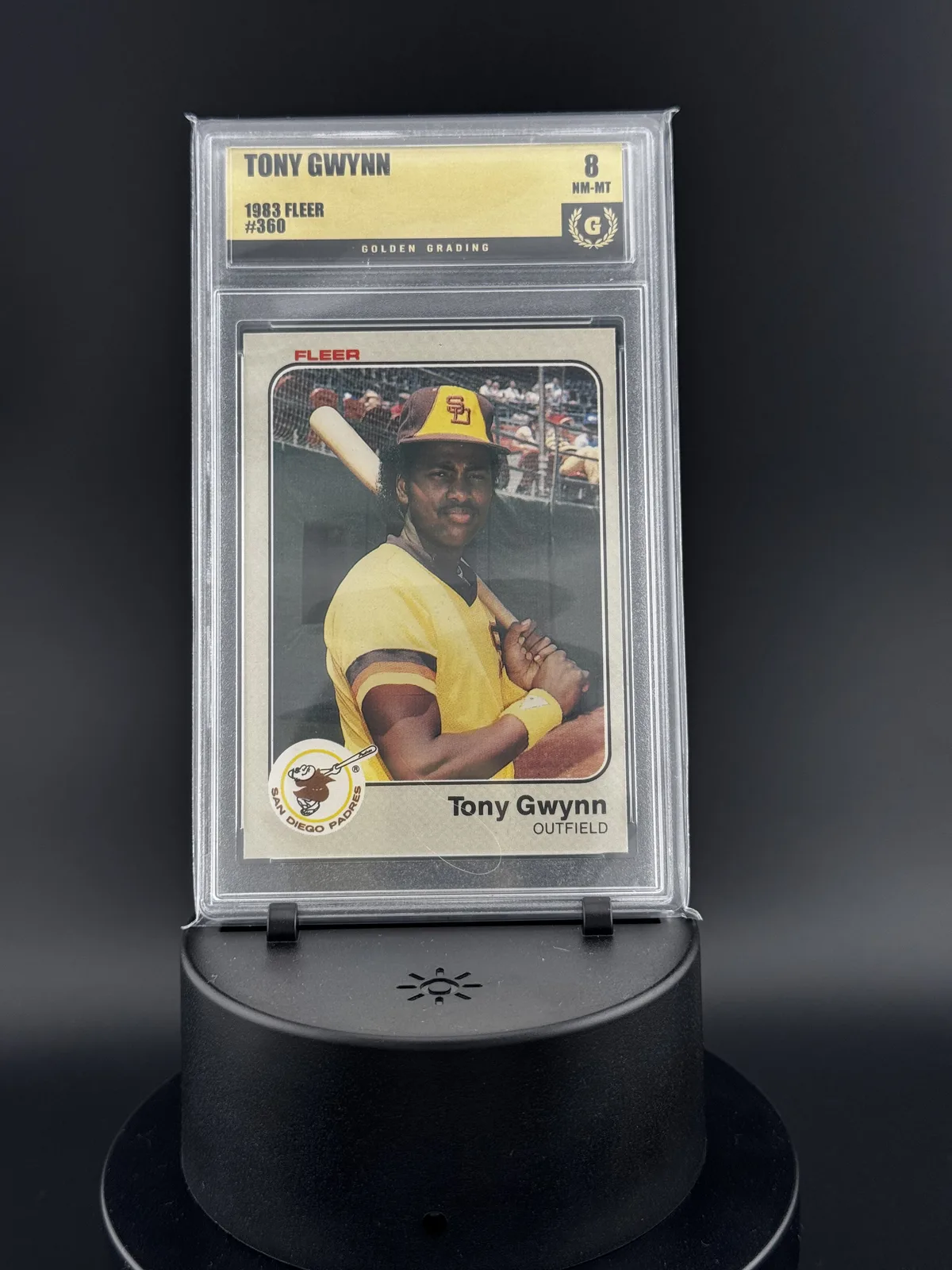 8NM-MT
- S Sellability 88%
- W Wow Factor 45%
- A Age 88%
- P Popularity 58%
- P Population Count Very High* 20K
* Graded copies only (PSA, BGS, SGC, CGC and others) — ungraded copies are not counted.
8NM-MT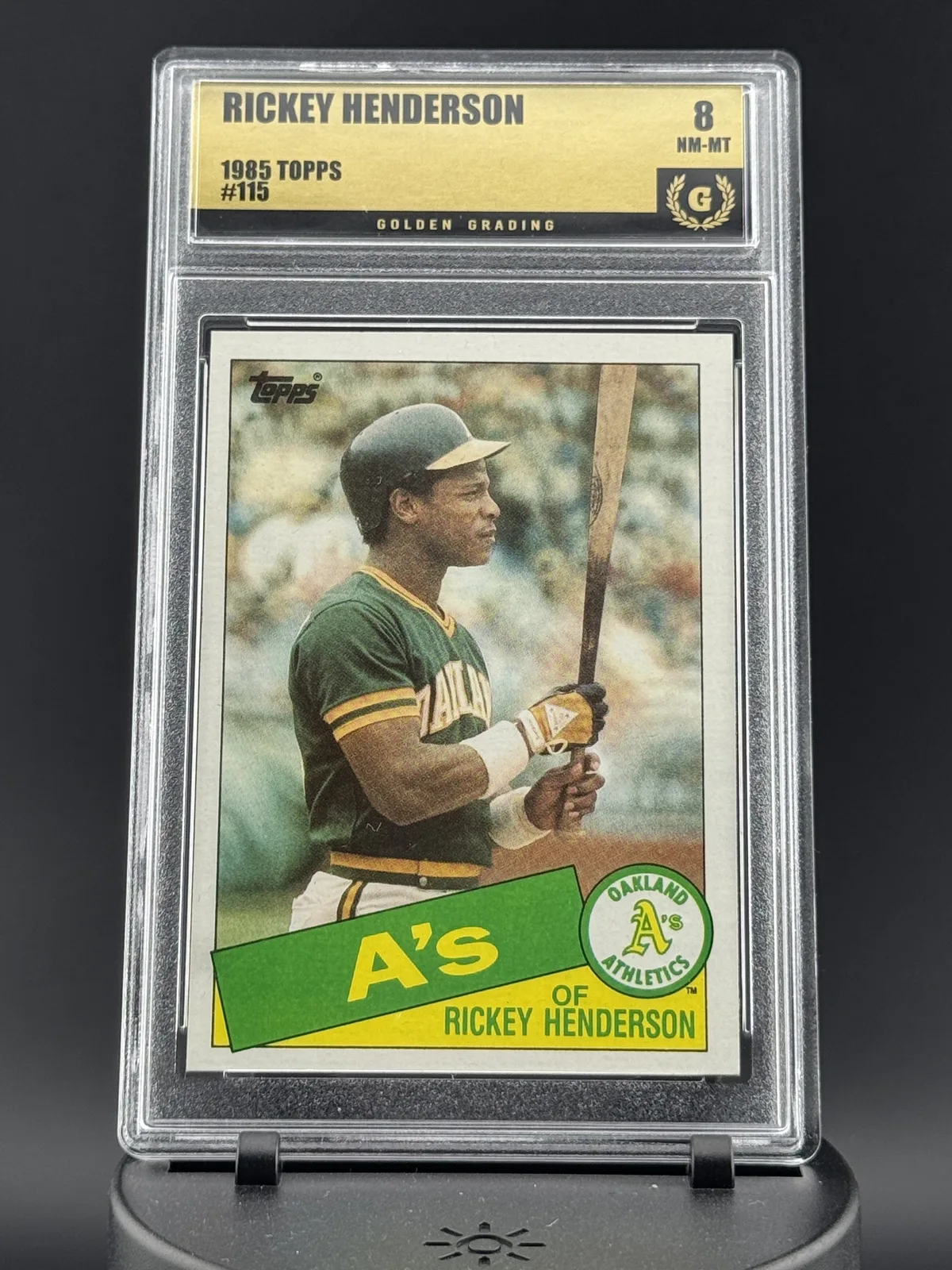 8NM-MT
- S Sellability 86%
- W Wow Factor 45%
- A Age 88%
- P Popularity 73%
- P Population Count High* 2.3K
* Graded copies only (PSA, BGS, SGC, CGC and others) — ungraded copies are not counted.